
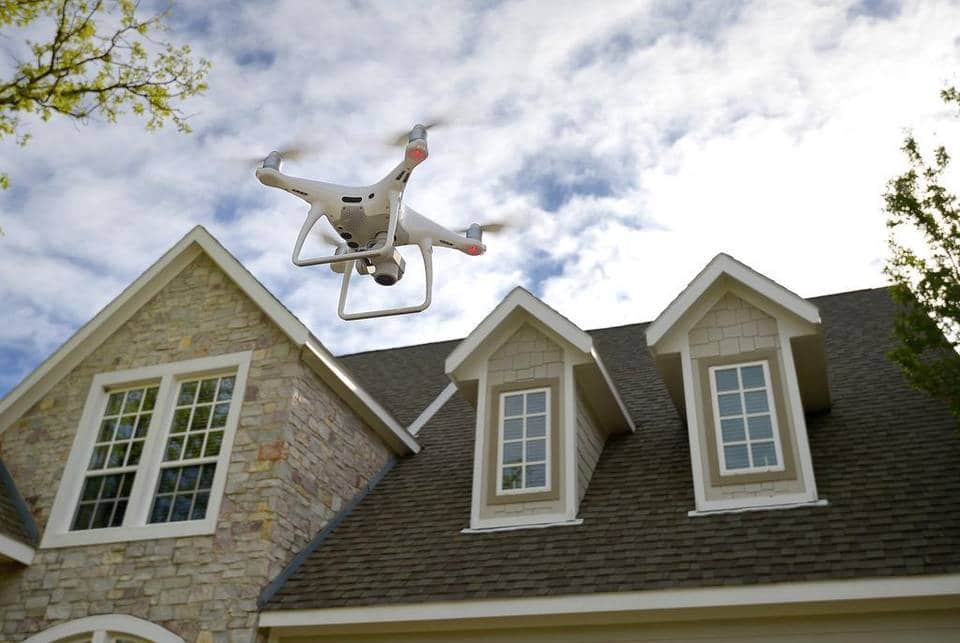
Using Drones vs. On-Foot Inspections to Find Storm-Related Roof Damage
Hidden damage to your roof can occur as a result of Florida’s unpredictable weather, which
includes tropical storms, hurricanes, and severe rains. A cursory ground inspection following
a severe storm may not reveal all the problems that can cause mold, leaks, or structural
damage down the road.
After a storm has passed, how can you best examine your roof? Is it better to use updated
drone technology or stick with the tried-and-true method of conducting inspections on foot?
Both techniques are employed by New Standard Roofing Orlando to guarantee that no
damage is overlooked. The benefits and drawbacks of each strategy will be outlined below.
Roof Inspections After a Storm: Why They’re Essential
From the ground, your roof may appear OK, but storms can actually cause:
Shingles that are lifted or absent
Damaged floor tile
Damage to the flashing that surrounds vents and chimneys
Covert breaches that manifest weeks after the fact
Clogged gutters caused by debris buildup that pools water
Roofers in Florida may save you a lot of trouble and money by inspecting your roof and
fixing any minor issues as soon as they notice them.
Advantages of Conventional Roof Inspections Performed by Foot:
Gives roofers a better look at the shingles, flashing, and downspouts.
Perfect for finding tiny fissures, bursts of nail, or broken sealant.
Immediate minor repairs benefit from a hands-on evaluation.
Bad things:
Perilous on sloping or steep rooftops following rainstorms.
takes a long time for roofs that are big or complicated.
Areas that are difficult to access have poor visibility.
Advantages of Drone Roof Inspections:
No climbing necessary—quick and secure.
Thermal cameras and high-resolution photos find damage that was previously undetected.
Gets every angle of the roof covered in no time at all.
Makes an in-depth electronic file for uses in filing insurance claims.
Bad things:
No on-the-spot physical touch-ups or corrections are possible.
Necessitates sophisticated machinery and operators with the proper training.
Which One Is Superior: On-Foot or Drone?
Actually, it’s preferable to use both at once.
A notable use for drones is finding leaks or water damage beneath the surface, as they can
detect both visible and thermal anomalies rapidly.
Skilled Orlando roofers can take quick action on minor repairs after conducting on-foot
inspections to confirm the findings.
The Methods Used by New Standard Roofing Orlando for Examining Damage After a Storm
For the most precise assessments after storms, we use cutting-edge drone technology in
conjunction with comprehensive on-foot examinations. This group:
Utilizes thermal imaging to uncover concealed moisture and drones to conduct a
comprehensive aerial survey.
Looks for issues up close and personal.
Including images, it gives you a comprehensive report that you can use for your insurance
claim.
Makes expert recommendations for repairing your roof.
Is a Roof Inspection Essential After a Storm?
Don’t put off fixing leaks until weeks after a storm has passed. For reliable roof inspections in
the aftermath of storms, contact New Standard Roofing Orlando.
Whether it’s by drone, foot, or a combination of the two, we’ll make sure your roof is
prepared for the next storm in Florida.