
Understanding TPO Roofing: An In-Depth Analysis
Introduction to TPO Roofing
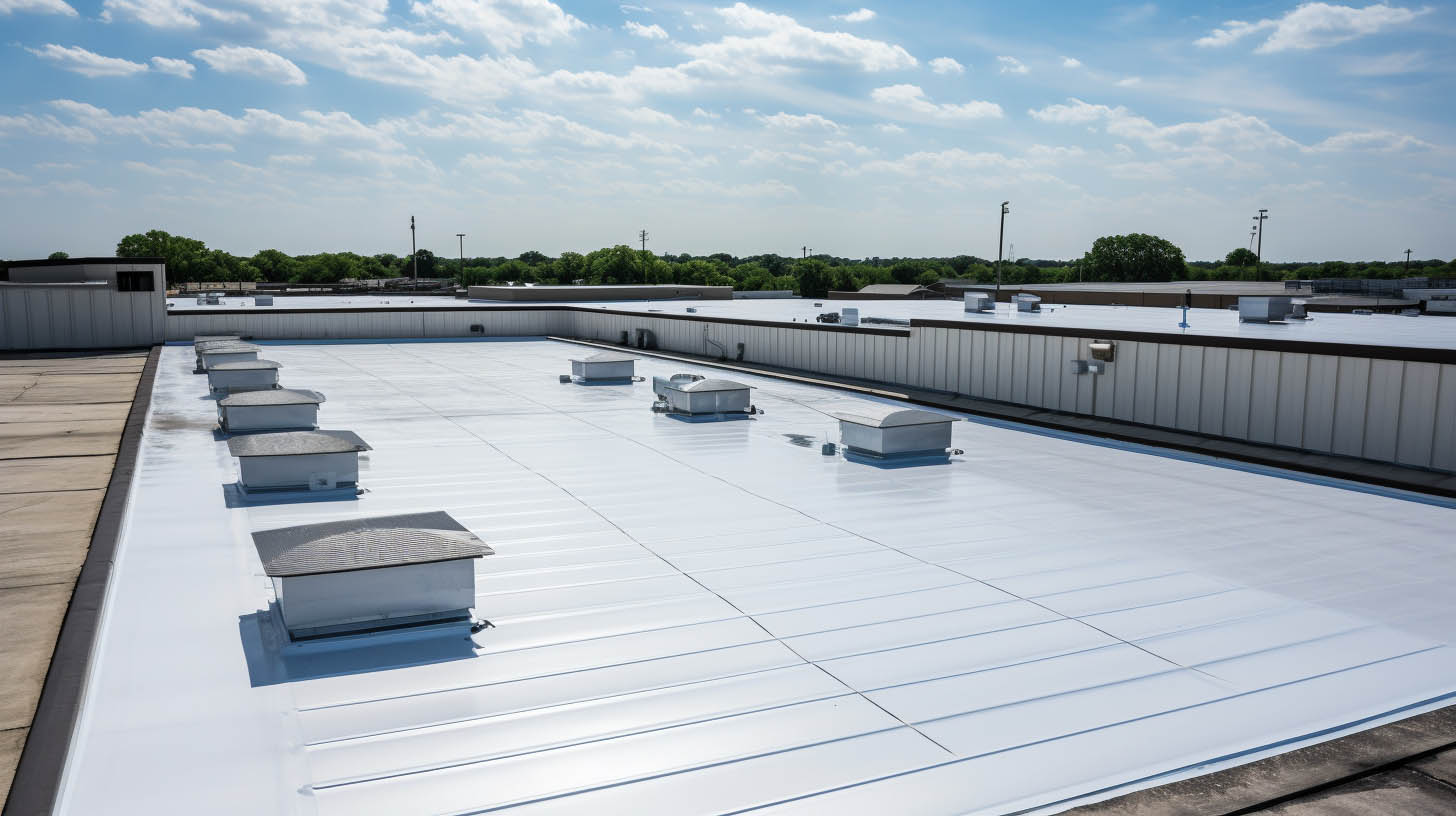
Thermoplastic Polyolefin (TPO) roofing represents a modern solution in the roofing industry, particularly favored for its energy efficiency and durability. This single-ply roofing membrane, predominantly used in commercial and residential applications, has gained significant traction for its white, heat-reflective surface.
Benefits of TPO Roofing
Energy Efficiency
TPO roofing is highly reflective, making it an energy-efficient choice. Its white surface reflects sunlight, significantly reducing cooling costs in warmer climates.
Durability
TPO membranes are known for their resistance to ultraviolet, ozone, and chemical exposure. This resilience contributes to a longer lifespan, typically ranging up to 20 years with proper maintenance.
Installation and Maintenance
The installation process of TPO roofing is relatively straightforward, involving heat-welded seams that provide a strong, watertight bond. Maintenance requirements are minimal, adding to its appeal for both homeowners and commercial property owners.
Ideal Applications for TPO Roofing
TPO is particularly well-suited for flat or low-sloped roofs. Its waterproof nature makes it an excellent choice for areas where water drainage is slower. Additionally, its aesthetic appeal is a consideration for properties where the roof is visible from higher vantage points.
Comparing TPO to Other Roofing Materials
While TPO holds many advantages, it’s important to compare it with other materials like asphalt shingles or EPDM rubber. TPO outshines in terms of energy efficiency and is often more durable than traditional shingles. However, it may come at a slightly higher cost compared to EPDM rubber membranes.
Installation Considerations
Choosing the Right Contractor
Selecting an experienced contractor is crucial for a successful TPO roofing installation. New Standard Roofing Orlando, located in Orlando, FL, exemplifies the expertise needed for such installations, ensuring a balance of quality, efficiency, and durability.
Preparing for Installation
Before installation, it’s essential to assess the roof’s structure to ensure it can support a TPO membrane. The contractor should also address any existing roofing issues to prevent future complications.
Maintenance and Care
Regular inspections and maintenance are vital to prolong the life of a TPO roof. This includes cleaning the surface to prevent dirt accumulation and inspecting for any signs of wear or damage.
Environmental Impact
TPO roofing is a more environmentally friendly option compared to traditional materials. Its reflective surface reduces energy consumption, and the material itself is recyclable, minimizing its ecological footprint.
Conclusion
TPO roofing stands out as a robust, energy-efficient, and durable option in the roofing market. Its suitability for various applications, combined with the benefits of low maintenance and environmental friendliness, makes it a wise choice for those seeking a long-lasting roofing solution.