
Navigating Roof Shingle Buckling: Prevention and Solutions
Understanding the Phenomenon of Shingle Buckling
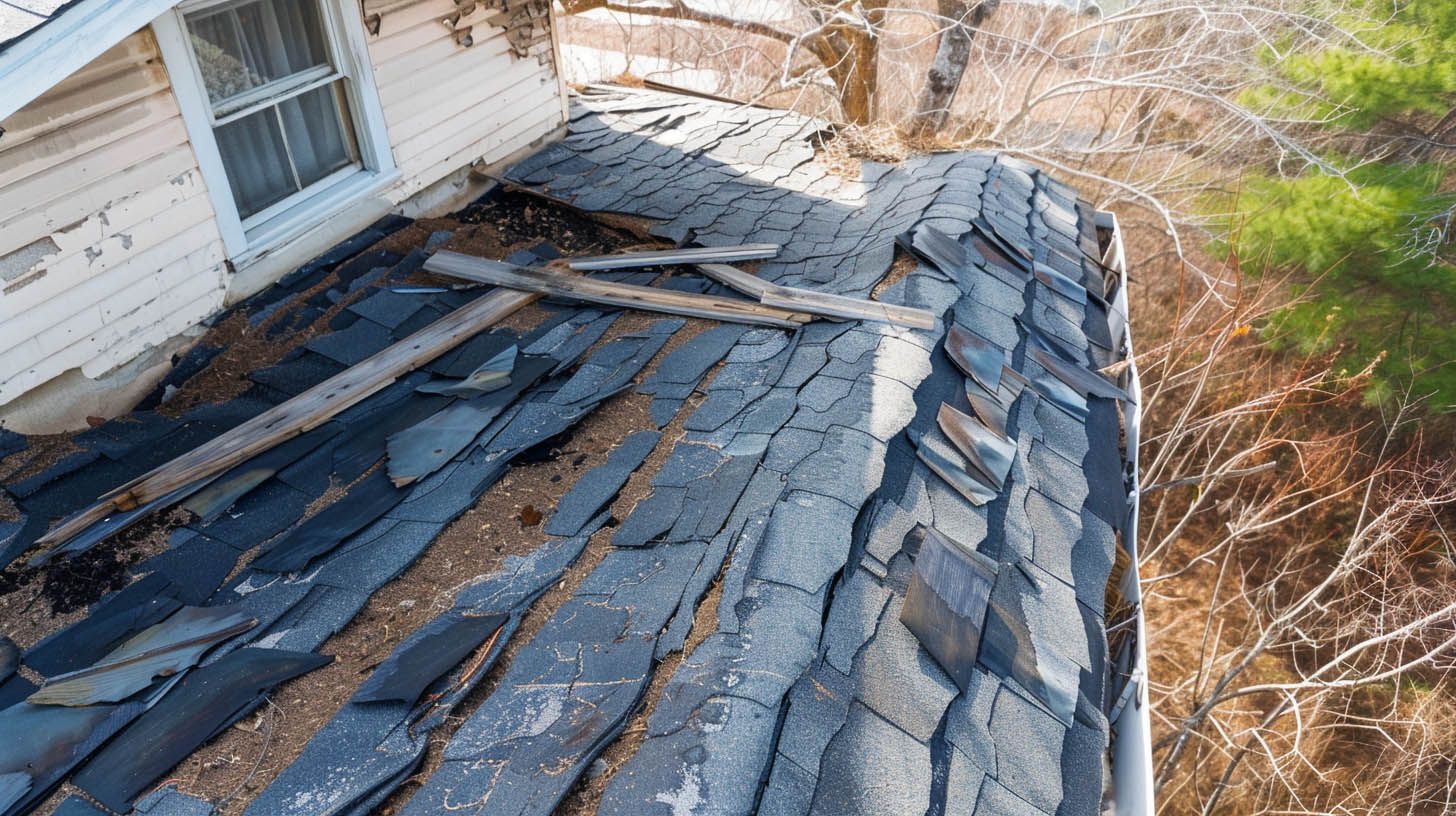
Shingle buckling, a common roofing issue, occurs when shingles do not lay flat against the roof surface. This irregularity, often resembling a ridge or bulge, is typically caused by the wrinkling of the roofing underlayment or the movement of the wood deck beneath the shingles. While it may appear as a minor aesthetic concern, buckling can lead to significant roofing damage if not addressed promptly.
Identifying the Causes of Buckling in Roof Shingles
Several factors contribute to the buckling of roof shingles:
- Moisture Accumulation: The primary cause of shingle buckling is moisture absorption by the roof deck. This moisture can come from various sources, including humidity, rain, or improper ventilation. As the wood absorbs moisture, it expands, causing the shingles above to buckle.
- Improper Installation: Incorrect installation of shingles or underlayment can lead to buckling. This includes inadequate spacing between roof sheaths and poor alignment of shingles.
- Ventilation Issues: Inadequate attic ventilation can trap moisture and heat, exacerbating the expansion of the roof deck and leading to buckling.
- Age and Wear: Over time, roofing materials can deteriorate. Aging shingles and underlayment may become less flexible and more prone to buckling.
Preventative Measures to Avoid Shingle Buckling
Preventing shingle buckling involves a proactive approach to roof maintenance:
- Regular Inspections: Conducting periodic roof inspections, especially after severe weather conditions, can help identify early signs of buckling.
- Proper Ventilation: Ensuring adequate attic ventilation is crucial. This includes installing ridge vents, soffit vents, and, if necessary, attic fans to regulate temperature and moisture levels.
- Quality Installation: Utilizing experienced roofing professionals, like New Standard Roofing Orlando, ensures that shingles and underlayment are installed correctly, reducing the risk of buckling.
- Moisture Control: Addressing any sources of moisture, such as leaks or condensation, can prevent the underlying roof deck from absorbing excess moisture.
Addressing Buckling Shingles: Repair and Replacement
Once buckling is identified, it’s essential to take corrective action:
- Professional Assessment: A roofing expert should evaluate the extent of the buckling to determine the best course of action.
- Repair or Replace: Minor buckling may be remedied by reattaching or replacing individual shingles. However, extensive buckling often requires the replacement of larger sections of the roof.
- Underlayment Replacement: In some cases, replacing the underlayment is necessary to provide a smooth, flat surface for the shingles.
- Improving Ventilation: If inadequate ventilation is a contributing factor, enhancing the attic’s ventilation system is a critical step in the repair process.
Conclusion
Shingle buckling is a significant roofing issue that requires immediate attention. Understanding its causes, implementing preventative measures, and seeking professional assistance for repairs are key to maintaining a healthy, long-lasting roof. By addressing buckling promptly and effectively, homeowners can protect their property from further damage and ensure the longevity of their roofing system.