
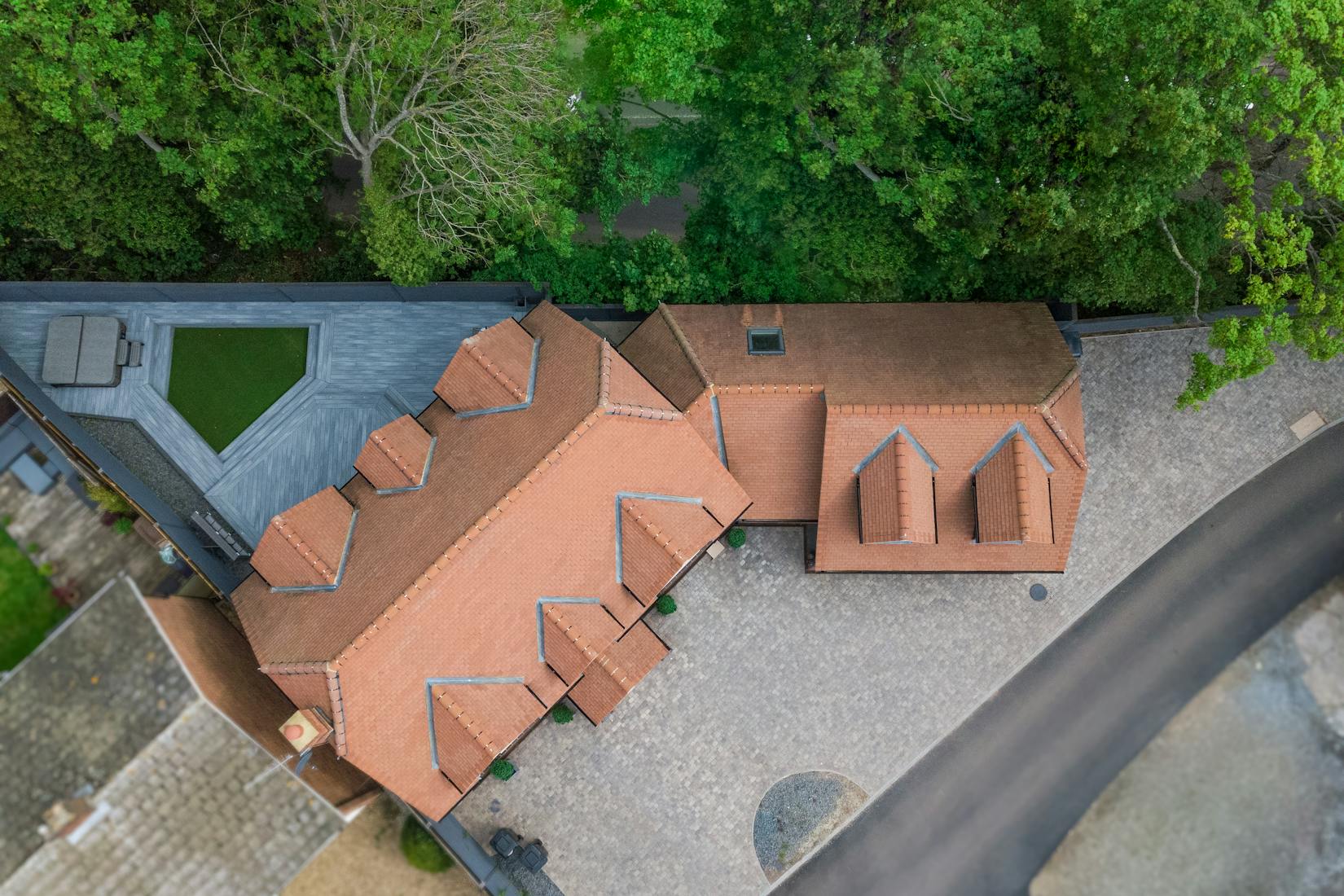
Features of Tornado-Proof Roofing
How to Strengthen Your Florida Roof
Tornadoes are a serious hazard in Florida, even though hurricanes usually garner the most
attention, particularly when powerful storm systems move across Central Florida.
A short EF1 tornado can cause water incursion, raise shingles, and tear roofing components
away. For this reason, one of the best things Orlando homeowners can do is to reinforce
their roof with elements that can withstand tornadoes.
Storm-ready roofing is our area of expertise at New Standard Roofing Orlando. Here are
some tips to help you keep your house safe all year long and tornado-proof your roof.
Florida Tornadoes: An Unknown Danger
Florida experiences more than fifty tornadoes annually on average, with Central Florida
being especially vulnerable because of the spring and summer thunderstorm activity. Even
though many Florida houses are constructed to withstand hurricanes, upgrading your roof to
withstand tornadoes adds an extra layer of security, particularly if you live in a region like
Orlando, Kissimmee, or Apopka.
Features That Strengthen Roofs During Tornadoes
- Improvements to Roof Deck Attachments
Patterns are important. Closely spaced, ring-shank nails are used on tornado-resistant roofs
to fasten the decking to the rafters more securely than conventional staples.
- SWB, or secondary water barrier
This self-adhesive underlayment offers an additional layer of protection against rain and
wind-driven water in the event that the outer roofing layer is torn off.
- Improved Roof-to-Wall Attachments
In order to minimize uplift and maintain your roof’s stability during unexpected winds, metal
hurricane straps or clips are used to secure the roof to the wall structure.
- Metal roofing or impact-resistant shingles
Select roofing materials with Class 4 impact resistance ratings and high wind resistance
ratings (up to 130–150 mph), such as:
Reinforced mats and asphalt shingles for buildings
Metal roofing with a standing seam
Roofing made of concrete or composite tiles
- Hip Roofs or Low-Slope Roof Designs
Hip roofs and other more aerodynamic roof forms are less susceptible to wind-induced uplift.
Shape is just as important as material when building or rebuilding.
- Security at the Roof Edge
Starter shingles and edge metal need to be put in and sealed correctly. The most frequent
location for failure in strong winds is the edge of the roof.
- Reinforcements for Roof Vents
Install ridge caps and wind-resistant roof vents to keep water and debris out during storms.
Expert Exams: Identify Weak Areas Before Storm Season
Improper installation can cause even the toughest materials to fail. Our certified Orlando
roofers will look over:
Decking strength and nail designs
Installing ridge caps and flashing
Details of the edges and ventilation systems
Connection points from the roof to the wall
We can suggest upgrades or targeted reinforcements following a thorough review.
Florida Wind Mitigation Discounts and Roofing Codes
The Florida Building Code (FBC) specifies the necessary wind-resistance elements in
Florida. In addition to providing additional safety, FBC-recommended roof reinforcement may
also qualify you for insurance savings through Florida’s wind mitigation program.
Get Ready Now with Orlando’s Expert Roofers Near You.
The strength of your roof doesn’t have to be erratic, even though tornadoes can be.
New Standard Roofing Orlando is here to help you stay safe with intelligent, storm-ready
renovations, whether you’re replacing your roof or retrofitting an older one.