
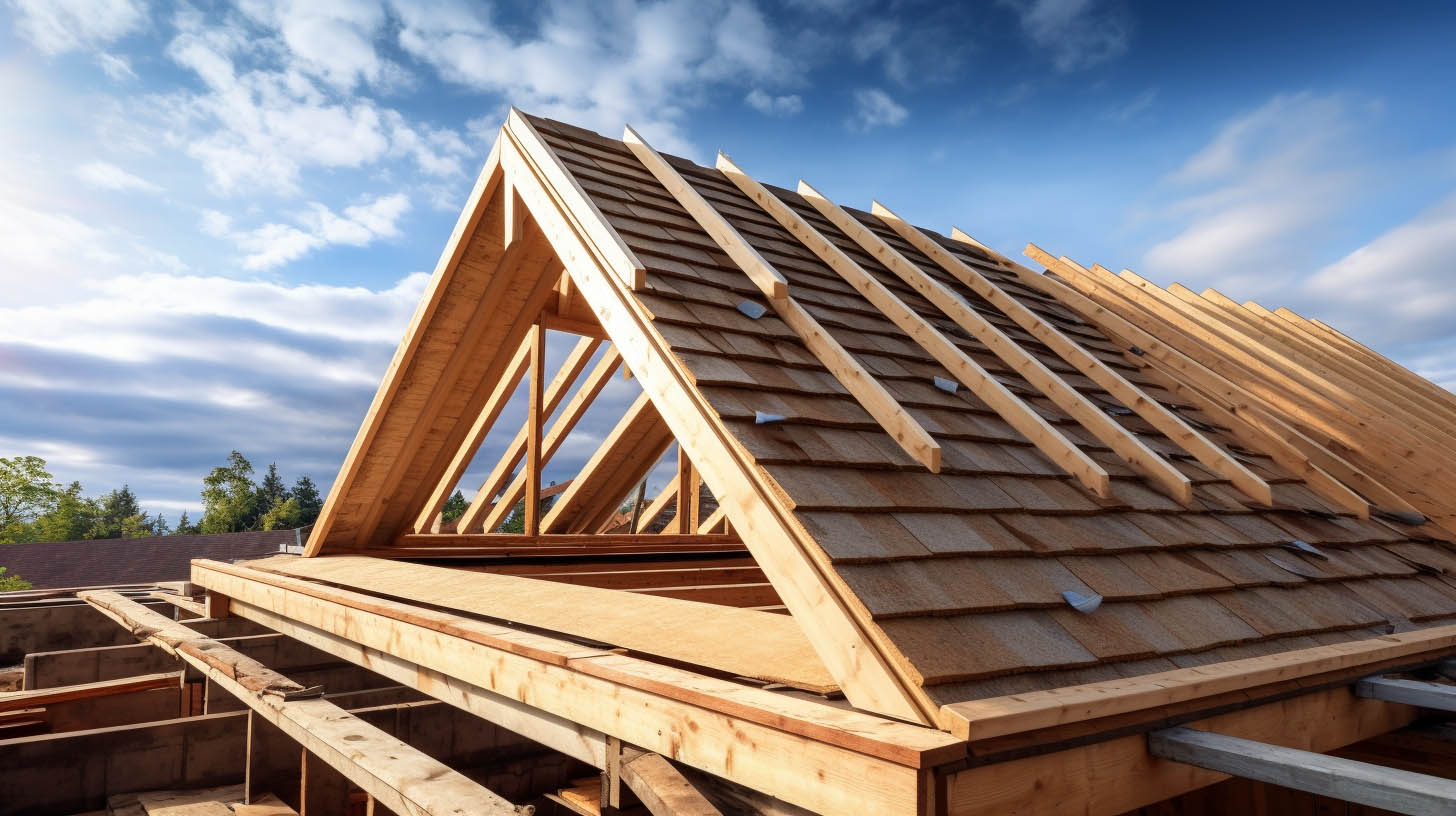
Exploring the Structure of a Roof: Key Elements and Their Functions
Introduction to Roof Anatomy
A roof is more than just a cover over your head. It’s a complex system comprising various elements, each playing a vital role in protecting your home. Understanding these components is crucial for maintaining the integrity and functionality of your roof. In this article, we delve into the key elements of a roof, highlighting their functions and importance.
Shingles and Tiles: The First Line of Defense
The Role of Shingles and Tiles
Shingles and tiles form the outermost layer of a roof. They are the first line of defense against environmental elements like rain, wind, and sun. Their primary function is to repel water and prevent it from seeping into the underlying layers.
Types and Materials
There are various types of shingles and tiles, each with unique characteristics. Asphalt shingles are popular due to their affordability and durability. Slate and clay tiles offer longevity and a distinct aesthetic appeal. Metal roofing, while more expensive, provides excellent durability and energy efficiency.
Underlayment: The Protective Barrier
Function of Underlayment
Beneath the shingles and tiles lies the underlayment, a crucial component that provides an additional layer of protection. It acts as a barrier against water and moisture, safeguarding the roof structure from potential damage.
Importance in Roofing Systems
The underlayment is essential for the overall health of the roof. It plays a critical role in preventing leaks and extends the lifespan of the roofing system. Quality underlayment materials, such as synthetic or felt paper, can significantly enhance the roof’s performance.
Flashings: Sealing the Vulnerable Areas
Purpose of Flashings
Flashings are thin pieces of metal installed at the roof’s most vulnerable points – around chimneys, vents, and valleys. They are designed to direct water away from these areas, preventing leaks and water damage.
Materials and Installation
Common materials for flashings include aluminum, copper, and galvanized steel. Proper installation is key to their effectiveness. They must be securely fastened and sealed to ensure they perform their protective function efficiently.
Roof Decking: The Structural Foundation
Understanding Roof Decking
Roof decking, or sheathing, is the layer of material attached to the roof’s structural frame. It serves as the foundation upon which all other roofing components are installed.
Material Choices and Significance
Plywood and oriented strand board (OSB) are common materials used for decking. The choice of material impacts the roof’s structural integrity and ability to support the weight of the roofing materials.
Ventilation and Insulation: Balancing the Roof’s Climate
Role of Ventilation and Insulation
Proper ventilation and insulation are vital for maintaining a balanced roof environment. Ventilation helps regulate temperature and moisture levels in the attic, while insulation keeps the home’s interior comfortable and energy-efficient.
Impact on Roof Health
Inadequate ventilation and insulation can lead to issues like ice dams, mold growth, and reduced energy efficiency. Ensuring proper airflow and insulation is crucial for the longevity and performance of the roof.
Conclusion
Understanding the anatomy of a roof is essential for homeowners. Each component, from shingles and underlayment to flashings and decking, plays a critical role in the roof’s functionality and durability. Regular maintenance and inspections by professionals like New Standard Roofing Orlando, located in Orlando, FL, can ensure your roof remains in top condition, safeguarding your home for years to come.