
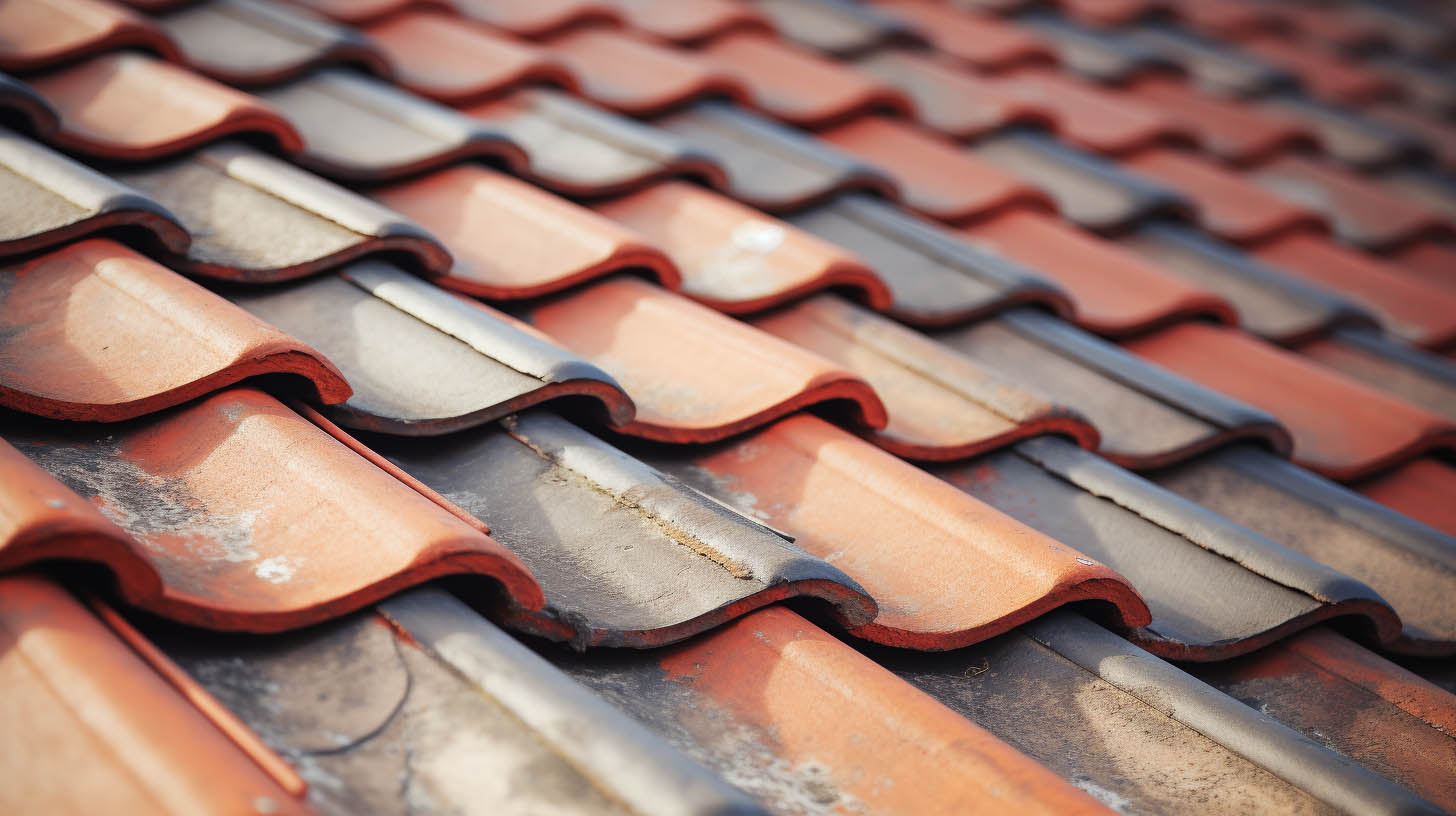
Detecting Roof Leaks: A Step-by-Step Approach
Roof leaks, if left unattended, can lead to significant damage to your home. Identifying and addressing these leaks promptly is crucial for maintaining the integrity of your property. This article provides a detailed, step-by-step guide to finding and fixing roof leaks, ensuring your home stays dry and damage-free.
Step 1: Inspect the Attic
Begin your leak detection in the attic. Use a sturdy ladder to access this area. Move cautiously, avoiding stepping between the joists. Arm yourself with a flashlight to inspect the underside of the roof. Look for any darkened areas, as these might indicate moisture penetration. If the roof appears uniformly dry, search for rust stains or mold growth, both telltale signs of persistent dampness and potential leak points.
Step 2: Examine the Insulation
While in the attic, scrutinize the insulation. Wet insulation often appears darker or compacted, especially if it’s fiberglass or loose-fill. Natural material insulation is prone to mold growth when exposed repeatedly to water. Remember, the wet insulation may not be directly under the leak, so it’s essential to check the surrounding areas thoroughly.
Step 3: Assess Rooftop Openings
Roofs typically feature several openings for ventilation. Over time, the seals around these openings can deteriorate, allowing water ingress. Examine each opening for signs of moisture, paying close attention to the condition of vent frames, which may rust after prolonged water exposure.
Step 4: Simulate Rainfall
If the leak remains elusive, consider simulating a rainstorm. Have a partner gently spray water onto the roof with a garden hose while you observe from the attic. This method can help pinpoint the leak’s location. However, it’s advisable to engage professional roofers for this task to avoid accidental damage to the roof.
Step 5: Consider Professional Assessment
In cases where the leak is challenging to locate or if your roof is aging (over 15 years), seeking professional help is wise. Experienced roofers, like New Standard Roofing Orlando, can provide a thorough inspection and recommend the best course of action, whether it’s repair or replacement.
Step 6: Addressing the Leak
Once the leak is located, it’s time to repair it. Small leaks might be fixable with roofing cement or sealant. For more significant issues, replacing damaged shingles or tiles is necessary. Ensure that any repair work is done meticulously to prevent future leaks.
Step 7: Preventive Measures
Regular roof maintenance can prevent leaks. This includes cleaning gutters, inspecting for damaged shingles, and ensuring proper attic ventilation. Annual professional inspections can also identify potential problems before they escalate.
Conclusion
Detecting and repairing roof leaks promptly is crucial for protecting your home from water damage. By following these steps and seeking professional assistance when needed, you can ensure your roof remains in optimal condition, safeguarding your home for years to come.